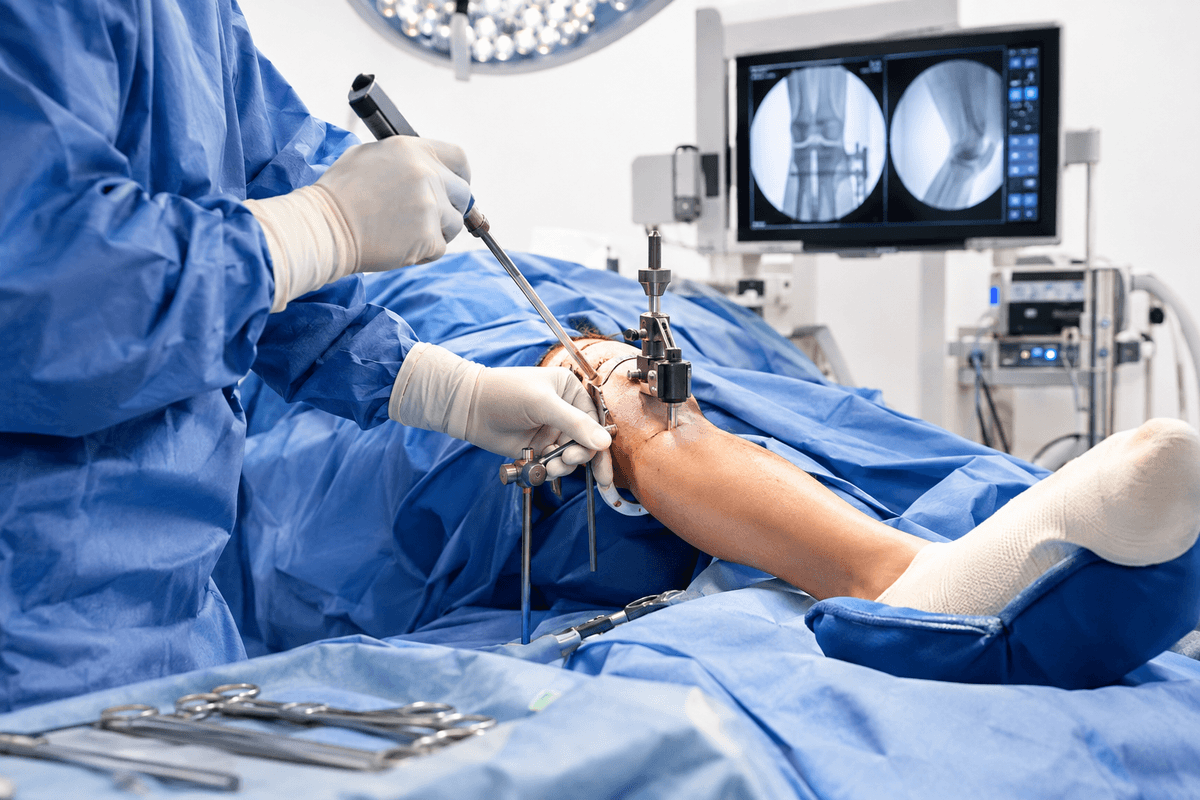
Performed by Dr. Samuel Lenald at Dr Samuel lenald
Deformity corrections for cerebral palsy and post-polio paralysis in Kadapa address musculoskeletal abnormalities that limit movement and function. These specialized orthopedic procedures correct bone and joint deformities, improve alignment, and enhance quality of life for patients with neurological conditions. Dr Samuel Lenald provides comprehensive surgical and non-surgical treatment approaches tailored to each patient's specific needs.
We believe in honest, upfront disclosure so you can make an informed decision.
A step-by-step look at what happens during this procedure.
Detailed evaluation of deformities through physical examination, gait analysis, and advanced imaging to determine the extent of bone, joint, and soft tissue involvement and plan surgical correction.
Customized surgical approach is designed based on the type and severity of deformities, which may include osteotomies (bone cuts), tendon lengthening or transfers, joint releases, or fusion procedures.
Surgical techniques are applied to realign bones, release contractures, lengthen or transfer tendons, and stabilize joints using internal fixation devices, pins, plates, or external fixators as needed.
Corrected structures are secured using appropriate fixation methods and the limb is positioned optimally to promote healing in the desired alignment with proper soft tissue balance.
Post-operative physiotherapy begins according to protocol to maintain correction, prevent stiffness, strengthen muscles, and gradually restore functional mobility and independence.
A structured, patient-first approach from first consultation to full recovery.
Dr Samuel Lenald conducts thorough assessment of each patient's unique deformity pattern, functional limitations, and treatment goals using clinical examination and comprehensive imaging studies.
Dr Samuel Lenald collaborates with physiotherapists, occupational therapists, and rehabilitation specialists to develop integrated treatment plans that optimize surgical outcomes and long-term function.
Dr Samuel Lenald employs proven orthopedic surgical methods including soft tissue releases, bony corrections, and joint procedures with meticulous attention to preserving neurovascular structures and achieving optimal alignment.
Dr Samuel Lenald oversees structured post-operative rehabilitation programs with regular follow-ups to monitor healing, adjust therapy protocols, and ensure patients achieve maximum functional improvement.
What to expect at each stage of your recovery journey.
First 1-2 weeks involve wound healing, pain management, and protected mobilization with assistive devices. Patients remain on bed rest initially with gradual position changes and begin gentle range-of-motion exercises under supervision.
Weeks 3-12 focus on progressive physiotherapy to improve strength, flexibility, and function. Weight-bearing is gradually increased, and patients work on gait training, balance exercises, and activities of daily living with therapeutic guidance.
Months 3-6 involve continued strengthening, adaptation to corrected alignment, and return to age-appropriate activities. Patients achieve maximum functional improvement with ongoing exercises and may require adaptive equipment or orthotic support.
Patients experience significant enhancement in walking ability, joint range of motion, and capacity to perform daily activities independently with reduced pain and better biomechanical alignment.
Surgical correction achieves proper bone and joint positioning, reducing abnormal stress on structures and preventing progressive deformity that would otherwise worsen over time.
Patients gain greater independence in self-care, improved participation in social and educational activities, and reduced caregiver burden with better functional capabilities.
Timely correction prevents or reduces pressure sores, pain syndromes, respiratory complications, and degenerative joint changes that result from untreated deformities and abnormal postures.
Let's clear up some of the most common myths about deformity corrections, cerebral palsy, post-polio paralysis.
Get a personalised assessment from an experienced specialist. Understand your options, ask your questions, and decide with confidence.