Performed by Dr. Samuel Lenald at Dr Samuel lenald
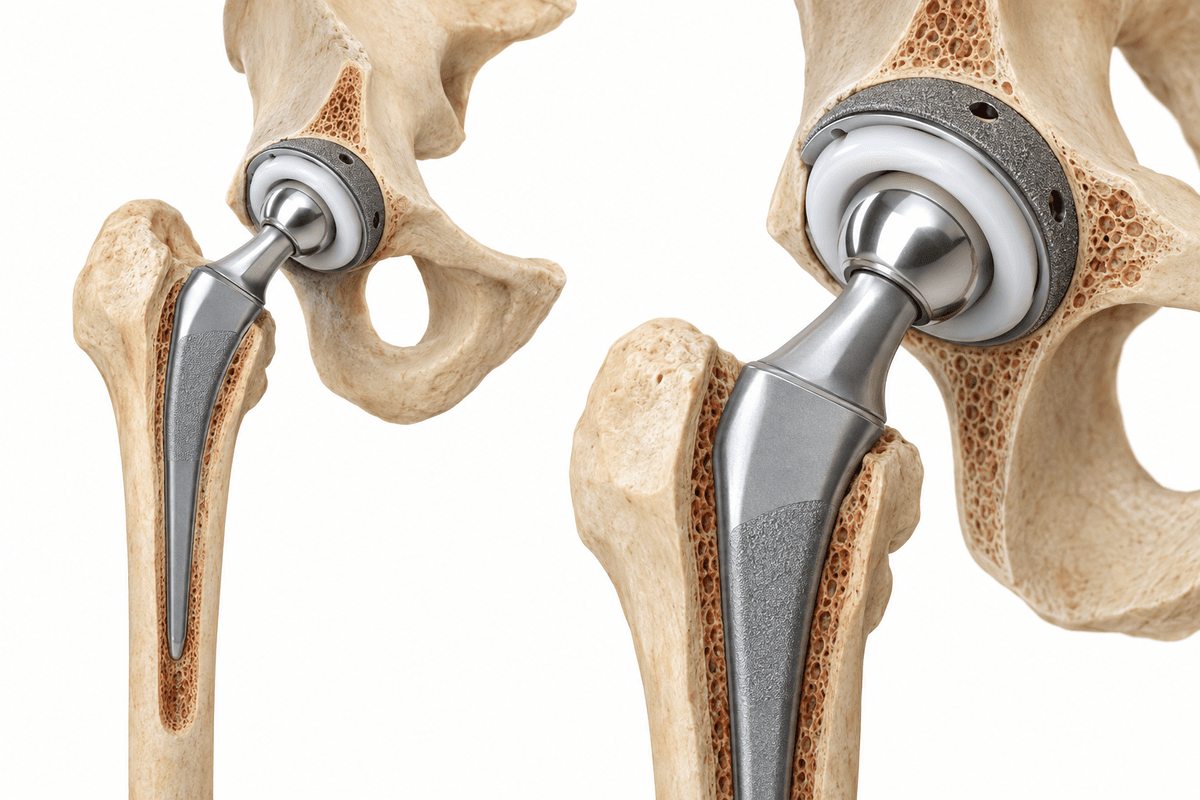
Total Hip Replacement in Kadapa is a surgical procedure that replaces damaged hip joint components with artificial implants to eliminate pain and restore function. This advanced orthopedic surgery is ideal for patients suffering from severe arthritis, hip fractures, or degenerative joint disease that hasn't responded to conservative treatments. Dr Samuel Lenald specializes in performing this transformative procedure with precision and expertise.
We believe in honest, upfront disclosure so you can make an informed decision.
A step-by-step look at what happens during this procedure.
General or spinal anaesthesia is administered to ensure complete comfort throughout the surgical procedure while vital signs are continuously monitored.
A precise incision is made over the hip joint, typically along the side or back of the hip, allowing access to the damaged joint structures.
The damaged femoral head is removed and the acetabulum (hip socket) is prepared by removing diseased cartilage and bone to create a clean surface.
Artificial components including a metal or ceramic ball and a socket liner are carefully positioned and secured using cement or press-fit techniques for optimal stability.
The incision is closed with sutures or staples, sterile dressing is applied, and the patient is moved to recovery for monitoring as anaesthesia wears off.
A structured, patient-first approach from first consultation to full recovery.
Dr Samuel Lenald conducts thorough evaluations including imaging studies, medical history review, and personalized surgical planning to ensure optimal outcomes for each patient.
Utilizing minimally invasive approaches when appropriate and high-quality implants, Dr Lenald performs precise joint replacement with attention to proper alignment and component positioning.
Patients receive attentive hospital care with pain management protocols, early mobilization guidance, and prevention strategies for complications like blood clots and infections.
Dr Samuel Lenald works closely with physiotherapists to design customized rehabilitation programs that progressively restore strength, flexibility, and function for each patient's specific needs.
What to expect at each stage of your recovery journey.
The first 1-2 weeks focus on wound healing, pain management, and basic mobility with assistive devices. Patients begin gentle exercises to prevent stiffness and blood clots while following strict hip precautions to prevent dislocation.
Weeks 3-8 involve progressive physiotherapy to strengthen hip muscles, improve range of motion, and gradually increase weight-bearing activities. Patients transition from walker to cane and resume light household tasks.
Months 3-6 mark the return to most normal activities including driving, work, and recreational pursuits. Continued strengthening exercises optimize joint function, and most patients experience significant pain relief and improved quality of life.
Over 95% of patients experience dramatic reduction or complete elimination of chronic hip pain, allowing them to sleep better and enjoy daily activities without discomfort.
Patients regain the ability to walk without limping, climb stairs comfortably, and perform activities that were previously impossible due to hip deterioration and pain.
With pain-free movement restored, patients return to work, hobbies, travel, and social activities, experiencing renewed independence and overall life satisfaction.
Modern hip implants typically last 15-20 years or longer, providing sustained benefits and allowing patients to maintain active lifestyles well into their senior years.
Let's clear up some of the most common myths about total hip replacement.
Get a personalised assessment from an experienced specialist. Understand your options, ask your questions, and decide with confidence.