Treated by Dr. Samuel Lenald at Dr Samuel lenald
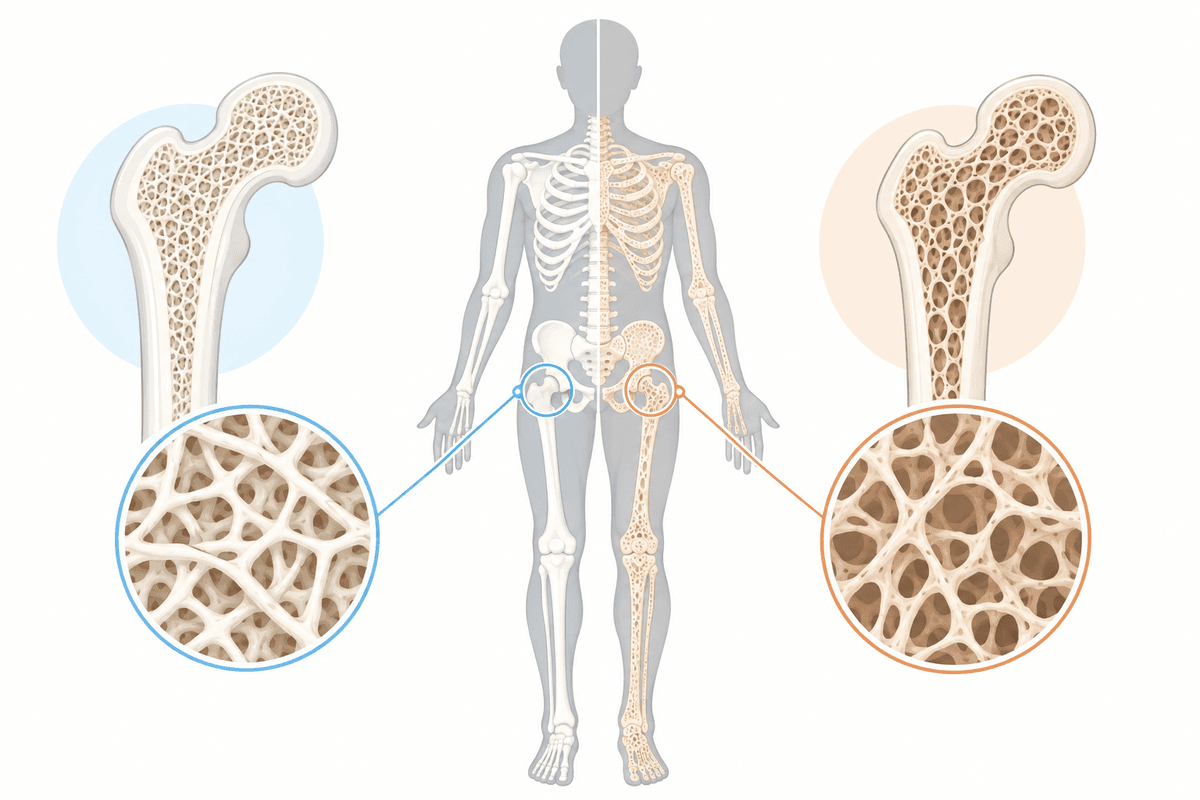
Osteoporosis is a bone disease that causes weakening and increased fracture risk, affecting many individuals in Kadapa. This progressive condition reduces bone density and structural integrity, making bones fragile and prone to breaks even from minor falls or stress. Early detection and intervention are crucial for preventing debilitating fractures and maintaining quality of life. Dr Samuel Lenald provides comprehensive orthopedic care for osteoporosis management, combining medical therapy, lifestyle modifications, and fracture prevention strategies tailored to each patient's needs.
Age-related bone loss occurring naturally, most commonly affecting postmenopausal women and elderly men due to hormonal changes and decreased bone formation over time.
Bone loss caused by underlying medical conditions such as hyperthyroidism, rheumatoid arthritis, or medications like corticosteroids that interfere with normal bone metabolism.
Rare form affecting younger adults and children without identifiable cause, characterized by unexplained low bone density despite normal hormone levels and absence of predisposing conditions.
Multiple factors can contribute to the development and progression of this condition.
Osteoporosis develops gradually. Recognising symptoms early gives you more treatment options.
From conservative to surgical — we always start with the least invasive option first.
A structured, patient-first approach from first visit to full recovery.
Dr Samuel Lenald begins with detailed medical history, physical examination, and DEXA scan to measure bone mineral density. He evaluates fracture risk using validated tools and orders laboratory tests to identify secondary causes of bone loss.
Based on bone density results and individual risk factors, Dr Samuel Lenald develops a customized treatment strategy combining medication, nutritional supplementation, and exercise prescription tailored to the patient's age, lifestyle, and overall health status.
Dr Samuel Lenald implements fall risk assessment, recommends environmental modifications, and provides education on safe movement techniques. For patients with existing fractures, he offers appropriate interventional or surgical treatment options to restore function and prevent further bone loss.
Dr Samuel Lenald schedules regular follow-up appointments with repeat DEXA scans every 1-2 years to monitor treatment effectiveness. He adjusts medications as needed, addresses side effects, and ensures ongoing patient compliance with bone health protocols.
What to expect at each phase of recovery.
First 3-6 months focusing on medication initiation, symptom control, and establishing exercise routines. Patients learn proper techniques for daily activities and begin building bone strength through consistent adherence to treatment protocols.
6-18 months of continued therapy with gradual improvement in bone density measurable on follow-up scans. Patients experience reduced pain, improved confidence in movement, and decreased fracture risk as bone quality improves.
Ongoing lifelong management with sustained medication, nutrition, and exercise regimens. Regular monitoring ensures bone density remains stable or continues improving while preventing new fractures and maintaining functional independence.
Significant increase in bone density measurements on DEXA scans with appropriate treatment, typically showing 3-8% improvement over 2-3 years, reducing overall fracture risk substantially.
Up to 50-70% reduction in vertebral fractures and 30-50% reduction in hip fractures with consistent medication adherence and lifestyle modifications, preventing debilitating injuries.
Decreased pain, improved posture, greater mobility, and increased confidence in daily activities without fear of fractures, allowing patients to maintain independence and active lifestyles.
Halting vertebral compression and spinal curvature progression, maintaining height and posture, and preventing the cascade of complications associated with untreated osteoporosis.
Untreated osteoporosis leads to progressive bone weakening with high risk of fragility fractures, particularly hip, spine, and wrist fractures that can be life-altering. Hip fractures result in 20% mortality within one year and cause permanent disability in many survivors, while vertebral fractures lead to chronic pain, height loss, and spinal deformity. The cumulative burden of fractures severely impacts independence, quality of life, and increases mortality risk in elderly patients.
Consult Dr Samuel Lenald immediately if you are a postmenopausal woman, have experienced a fracture from minor trauma, or have risk factors including family history of osteoporosis, long-term steroid use, or early menopause. Seek evaluation if you notice progressive height loss, developing stooped posture, or persistent back pain, as early intervention can prevent devastating fractures and preserve bone health.
Early treatment means more options and better outcomes. Book a consultation to understand your condition and explore the right path forward.