Treated by Dr. Samuel Lenald at Dr Samuel lenald
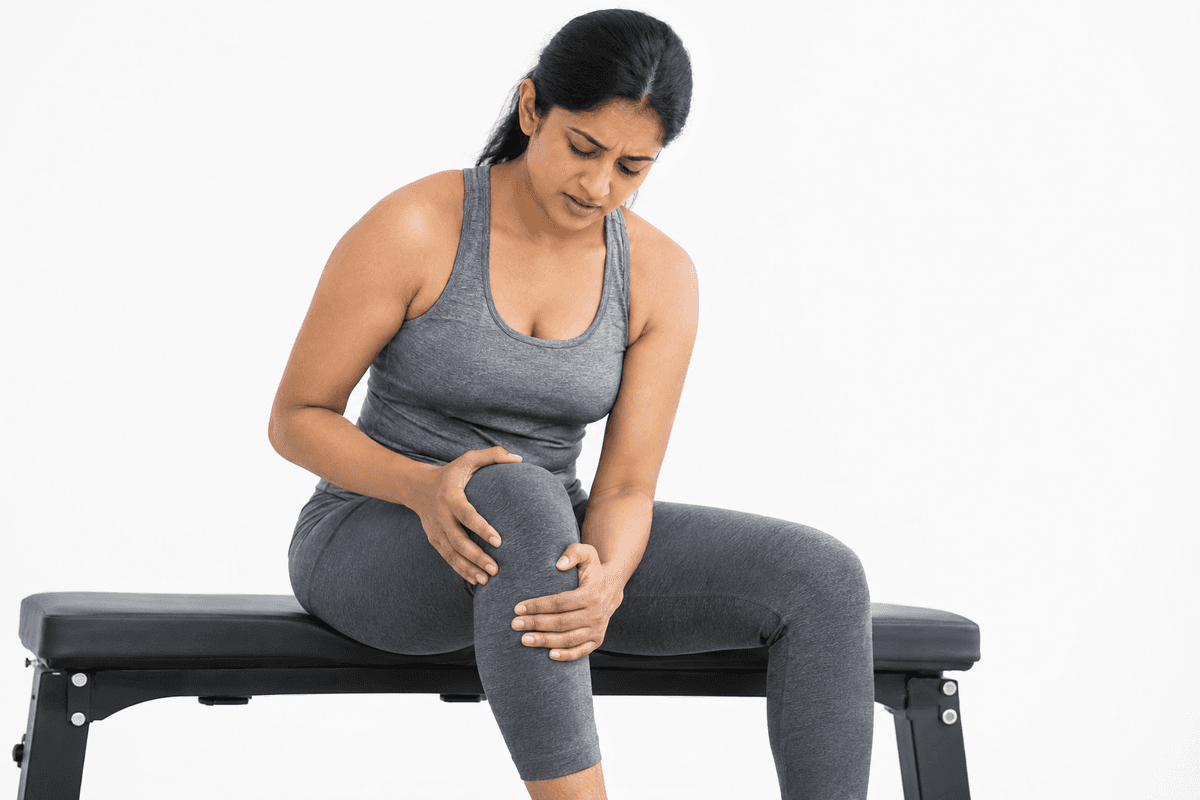
Sports injuries in Kadapa affect athletes and active individuals of all ages, ranging from acute trauma to overuse conditions. These injuries can impact muscles, tendons, ligaments, bones, and joints, potentially sidelining athletes and reducing quality of life. Dr Samuel Lenald provides comprehensive orthopedic care with evidence-based treatment protocols tailored to each patient's athletic goals and recovery needs.
Sudden injuries occurring from direct impact, falls, or collisions during sports activities. These include fractures, dislocations, sprains, and contusions that require immediate medical attention and can range from mild to severe in nature.
Gradual onset injuries resulting from repetitive stress on muscles, tendons, and bones without adequate recovery time. Common examples include tendinitis, stress fractures, and bursitis that develop over weeks or months of training.
Complete or partial ruptures of connective tissues that stabilize joints and attach muscles to bones. These injuries often occur during sudden directional changes, jumping, or landing and may require surgical intervention for optimal recovery.
Multiple factors can contribute to the development and progression of this condition.
Sports Injuries develops gradually. Recognising symptoms early gives you more treatment options.
From conservative to surgical — we always start with the least invasive option first.
A structured, patient-first approach from first visit to full recovery.
Dr Samuel Lenald conducts a thorough physical examination and reviews the injury mechanism, followed by appropriate imaging studies including X-rays, MRI, or ultrasound to accurately diagnose the extent of tissue damage and identify all affected structures.
Based on diagnostic findings, athletic goals, and lifestyle requirements, Dr Samuel Lenald develops an individualized treatment strategy that balances optimal healing with timely return to activity, incorporating both conservative and advanced interventions as needed.
Dr Samuel Lenald implements the treatment plan with regular follow-up appointments to track healing progress, adjust therapies based on response, and ensure proper rehabilitation progression while preventing complications or re-injury through careful monitoring.
Dr Samuel Lenald performs functional assessments and sport-specific testing to determine readiness for full activity resumption, providing clearance only when strength, flexibility, and performance markers meet established criteria for safe participation.
What to expect at each phase of recovery.
Initial 1-2 weeks focus on controlling pain and inflammation, protecting injured tissues from further damage, and beginning gentle range of motion exercises. Patients follow RICE protocols and may use assistive devices to offload the injured area.
Weeks 2-8 involve progressive strengthening exercises, proprioceptive training, and gradual increase in functional activities. Patients work closely with physical therapists to restore normal movement patterns and rebuild muscular support around the injured area.
Weeks 8-16 emphasize sport-specific conditioning, power development, and gradual return to full athletic activities. This phase includes monitored practice sessions, technique refinement, and psychological preparation for competition-level performance.
Most patients achieve complete return to pre-injury activity levels with appropriate treatment and rehabilitation. Success rates exceed 85-90% for common sports injuries when treatment protocols are followed diligently.
Comprehensive rehabilitation programs that address biomechanical deficits and strengthen supporting structures significantly decrease the likelihood of recurrent injuries. Proper technique training provides long-term protection.
Many athletes report improved performance after recovery due to corrected movement patterns, increased body awareness, and optimized strength balance. The rehabilitation process often identifies and addresses previously unrecognized weaknesses.
Early and appropriate treatment prevents chronic complications such as post-traumatic arthritis, chronic instability, and persistent pain. Proper healing establishes foundation for continued athletic participation throughout life.
Untreated sports injuries can lead to chronic pain, joint instability, and permanent loss of function that significantly impacts athletic performance and daily activities. Delayed treatment increases the risk of incomplete healing, compensatory movement patterns that cause secondary injuries, and progressive joint degeneration. Long-term complications may include post-traumatic arthritis, chronic tendinopathy, and irreversible structural damage requiring more extensive surgical intervention.
Seek immediate medical attention if you experience severe pain, visible deformity, inability to bear weight or use the affected limb, significant swelling that worsens rapidly, or numbness and tingling in the extremity. Consult Dr Samuel Lenald promptly if pain persists beyond 48-72 hours of rest and self-care, if symptoms interfere with daily activities or sleep, or if you notice recurrent pain patterns during specific movements. Early evaluation ensures accurate diagnosis and prevents minor injuries from progressing to chronic conditions.
Early treatment means more options and better outcomes. Book a consultation to understand your condition and explore the right path forward.