Performed by Dr. Samuel Lenald at Dr Samuel lenald
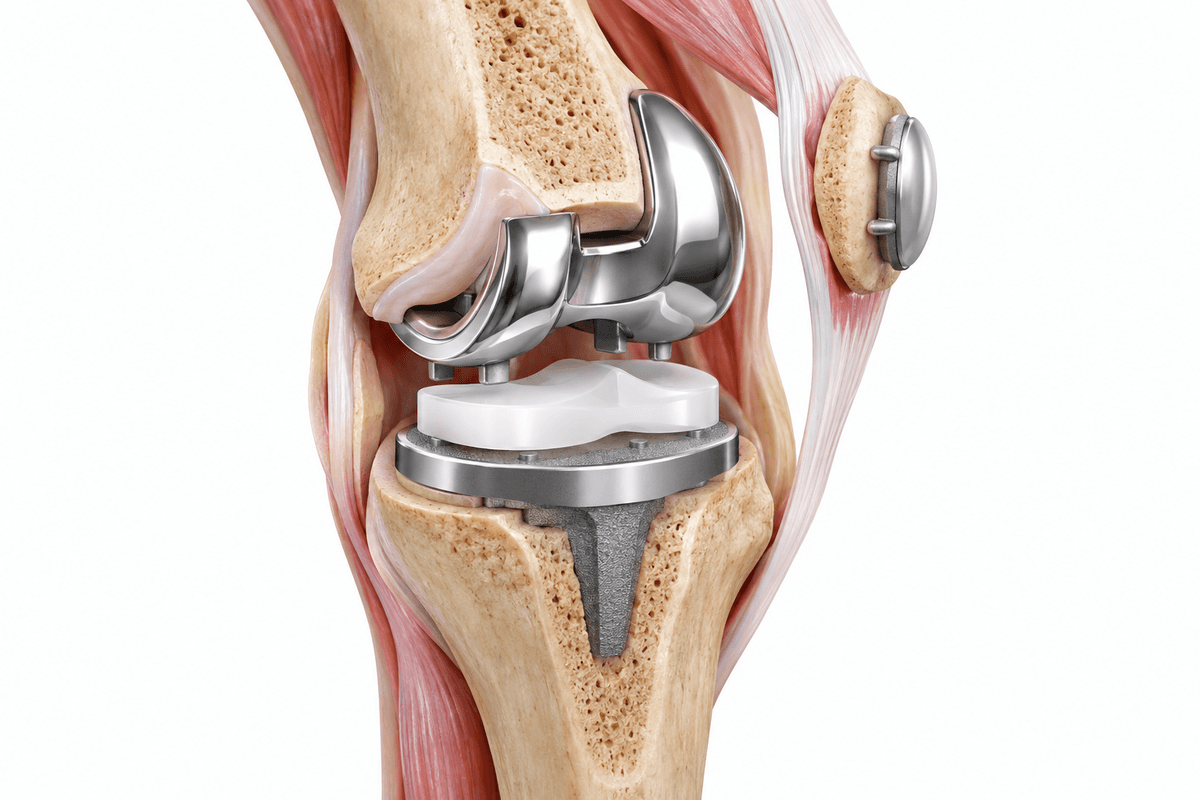
Total Knee Replacement in Kadapa is an advanced surgical procedure that replaces damaged knee joint surfaces with artificial implants to restore mobility and eliminate chronic pain. This procedure is ideal for patients with severe arthritis, knee deformities, or joint damage that hasn't responded to conservative treatments. Dr Samuel Lenald provides expert orthopedic care with state-of-the-art techniques for optimal patient outcomes.
We believe in honest, upfront disclosure so you can make an informed decision.
A step-by-step look at what happens during this procedure.
General or spinal anesthesia is administered to ensure patient comfort throughout the procedure while monitoring vital signs continuously.
A precise incision is made over the knee joint to access the damaged bone and cartilage while protecting surrounding tissues and structures.
Damaged cartilage and bone surfaces from the femur, tibia, and patella are carefully removed using specialized instruments to prepare for implant placement.
High-quality metal and plastic prosthetic components are precisely positioned and secured to replicate natural knee joint function and alignment.
The incision is closed with sutures or staples, and sterile dressings are applied. A drain may be placed to prevent fluid accumulation during healing.
A structured, patient-first approach from first consultation to full recovery.
Dr Samuel Lenald conducts thorough evaluations including detailed medical history, physical examination, and advanced imaging to create a personalized surgical plan tailored to each patient's unique anatomy.
Using state-of-the-art instrumentation and proven surgical protocols, Dr Samuel Lenald ensures precise implant alignment and optimal joint mechanics for superior long-term outcomes and patient satisfaction.
Our team collaborates with anesthesiologists, nurses, and physiotherapists to provide comprehensive perioperative care, ensuring patient safety and comfort throughout the entire treatment journey.
Dr Samuel Lenald designs individualized post-operative rehabilitation protocols combining physical therapy, pain management, and progressive mobility exercises to accelerate recovery and restore full knee function.
What to expect at each stage of your recovery journey.
The first 1-2 weeks focus on wound healing, pain management, and initiating gentle range-of-motion exercises. Patients use walking aids and receive guidance on safe movement patterns while managing swelling with ice and elevation.
Weeks 2-8 involve progressive strengthening exercises, improved flexibility, and gradual increase in weight-bearing activities. Physical therapy sessions focus on restoring normal gait patterns and building muscle strength around the new joint.
Months 3-6 emphasize returning to normal daily activities, recreational pursuits, and achieving optimal knee function. Patients continue home exercises and gradually resume driving, work, and low-impact sports with medical clearance.
Most patients experience dramatic reduction or complete elimination of chronic knee pain, enabling comfortable daily activities and improved quality of life without reliance on pain medications.
The new knee joint provides smooth, stable movement with improved range of motion, allowing patients to walk, climb stairs, and perform routine tasks without limitations or discomfort.
Patients regain the ability to participate in recreational activities, exercise programs, and social engagements that were previously restricted due to knee problems, promoting active lifestyles.
Modern knee implants typically last 15-20 years or longer with proper care, providing reliable joint function and stability for extended periods, reducing the need for revision surgery.
Let's clear up some of the most common myths about total knee replacement.
Get a personalised assessment from an experienced specialist. Understand your options, ask your questions, and decide with confidence.