Treated by Dr. Samuel Lenald at Dr Samuel lenald
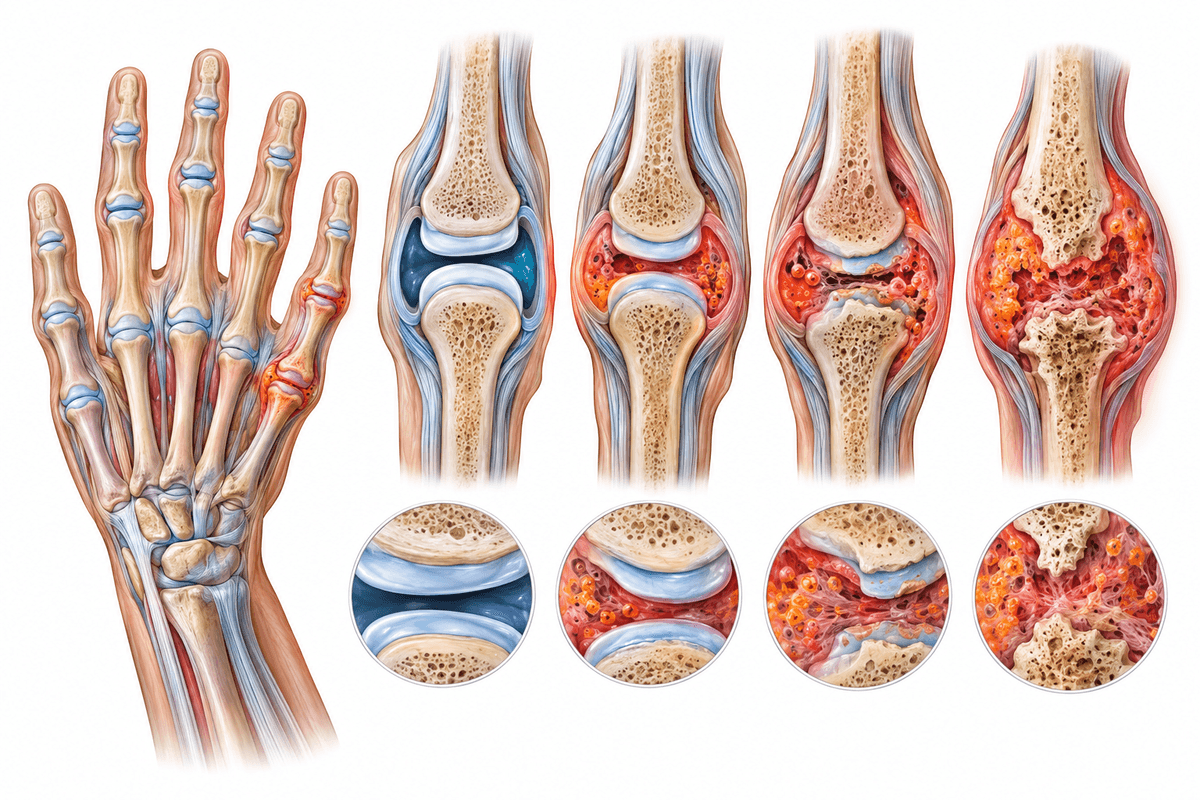
Rheumatoid Arthritis in Kadapa is a chronic autoimmune condition where the immune system mistakenly attacks joint linings, causing inflammation, pain, and potential joint damage. This progressive disease primarily affects the hands, wrists, knees, and feet, leading to stiffness, swelling, and reduced mobility if left untreated. Dr Samuel Lenald provides comprehensive orthopedic care for rheumatoid arthritis patients, offering personalized treatment plans ranging from disease-modifying medications to advanced surgical interventions.
The most common form where blood tests detect rheumatoid factor (RF) and anti-CCP antibodies. Patients typically experience more aggressive joint damage and systemic complications. This type often requires early aggressive treatment to prevent irreversible damage.
Characterized by the absence of rheumatoid factor and anti-CCP antibodies in blood tests, yet symptoms mirror classic RA. Diagnosis relies heavily on clinical presentation and imaging findings. This form may have a milder course but still requires consistent management.
A variant affecting children under 16 years with persistent joint inflammation lasting at least six weeks. It presents unique challenges including growth disturbances and eye complications. Early intervention is crucial to minimize long-term joint damage and disability.
Multiple factors can contribute to the development and progression of this condition.
Rheumatoid Arthritis develops gradually. Recognising symptoms early gives you more treatment options.
From conservative to surgical — we always start with the least invasive option first.
A structured, patient-first approach from first visit to full recovery.
Dr Samuel Lenald conducts a thorough clinical examination, reviews your medical history, and orders blood tests including RF, anti-CCP antibodies, ESR, and CRP along with X-rays or ultrasound to establish accurate diagnosis and disease severity.
Based on diagnostic findings, Dr Lenald develops an individualized treatment strategy combining appropriate DMARDs, biologics, physical therapy, and lifestyle modifications tailored to your specific disease activity, joint involvement, and overall health status.
Dr Samuel Lenald schedules periodic follow-ups to assess treatment response through clinical evaluation and laboratory monitoring, adjusting medications as needed to achieve optimal disease control while minimizing side effects and preventing joint damage progression.
For patients with severe joint damage unresponsive to medical management, Dr Lenald offers advanced surgical options including joint replacements, synovectomy, and reconstructive procedures to restore function, relieve pain, and improve quality of life.
What to expect at each phase of recovery.
During this phase, patients begin DMARD therapy with gradual improvement in symptoms. Morning stiffness decreases, joint swelling reduces, and inflammatory markers normalize. Regular monitoring ensures medication efficacy and safety while adjusting doses for optimal response.
Most patients achieve low disease activity or remission with established treatment protocols. Joint function improves significantly, and patients resume normal activities with minimal limitations. Continued adherence to medication and lifestyle modifications maintains disease control and prevents flares.
Ongoing medical management with periodic assessments maintains remission and prevents joint damage progression. Patients adapt to living with a chronic condition through medication compliance, regular exercise, joint protection techniques, and prompt attention to disease flares requiring treatment adjustments.
Appropriate treatment significantly decreases joint pain, swelling, and stiffness, with most patients experiencing substantial symptom relief within 3-6 months of starting therapy. Inflammatory markers normalize, and disease activity scores improve dramatically with consistent medication adherence.
Early aggressive treatment with DMARDs and biologics prevents irreversible joint damage, bone erosion, and characteristic deformities. Regular monitoring and timely treatment adjustments preserve joint architecture and function, avoiding the need for extensive surgical interventions.
Patients regain the ability to perform daily activities, work responsibilities, and recreational pursuits with minimal limitations. Enhanced grip strength, mobility, and endurance contribute to better quality of life and independence in self-care activities.
Effective disease control minimizes extra-articular manifestations including cardiovascular disease, lung involvement, and osteoporosis. Comprehensive management addresses both joint symptoms and systemic inflammation, reducing overall morbidity and improving long-term health outcomes.
Untreated rheumatoid arthritis leads to progressive joint destruction with irreversible deformities, chronic pain, and significant disability affecting daily activities and employment. The persistent inflammation increases risks of cardiovascular disease, osteoporosis, lung fibrosis, and premature mortality. Early intervention is crucial as joint damage begins within the first two years of disease onset and cannot be reversed once established.
Seek immediate medical attention if you experience persistent joint pain, swelling, or morning stiffness lasting more than 30 minutes, especially when affecting multiple joints symmetrically. Early consultation with Dr Samuel Lenald is essential if you notice reduced grip strength, difficulty with fine motor tasks, or systemic symptoms like unexplained fatigue and low-grade fever. Prompt diagnosis and treatment within the first three months of symptom onset significantly improves long-term outcomes and prevents irreversible joint damage.
Early treatment means more options and better outcomes. Book a consultation to understand your condition and explore the right path forward.