Performed by Dr. Samuel Lenald at Dr Samuel lenald
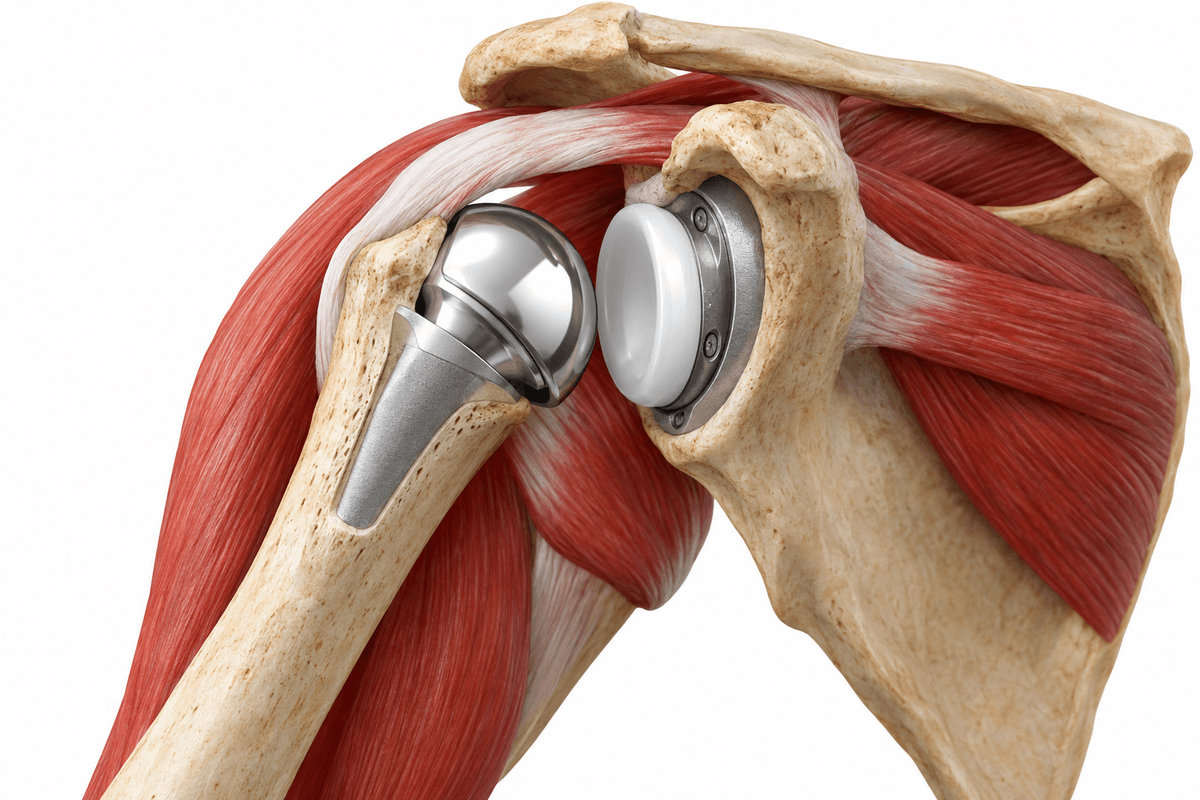
Shoulder replacement in Kadapa is an advanced orthopedic procedure that replaces damaged shoulder joint surfaces with artificial components to restore function and eliminate pain. This surgery is recommended for patients with severe arthritis, rotator cuff tear arthropathy, or traumatic shoulder injuries that have not responded to conservative treatments. Dr Samuel Lenald provides expert orthopedic care with personalized treatment plans for optimal outcomes.
We believe in honest, upfront disclosure so you can make an informed decision.
A step-by-step look at what happens during this procedure.
General anesthesia is administered to ensure complete comfort during the procedure. The patient is positioned to provide optimal surgical access to the shoulder joint.
A carefully planned incision is made over the shoulder to access the damaged joint structures. The deltoid muscle and surrounding tissues are gently retracted to expose the joint.
The damaged humeral head and glenoid surface are carefully removed. Bone surfaces are precisely prepared to receive the prosthetic components using specialized surgical instruments.
High-quality prosthetic components are securely implanted into the prepared bone surfaces. The new joint surfaces are tested for proper alignment, stability, and range of motion.
Soft tissues are repaired and the incision is closed in layers. A sterile dressing is applied and the arm is placed in a supportive sling for initial protection.
A structured, patient-first approach from first consultation to full recovery.
Dr Samuel Lenald conducts thorough clinical examination and reviews advanced imaging to assess shoulder damage severity and determine the most appropriate surgical approach for each patient.
A customized treatment plan is developed based on the patient's specific condition, activity level, and health status, selecting optimal implant types and surgical techniques for best outcomes.
Dr Samuel Lenald performs the shoulder replacement using advanced surgical methods and premium quality implants, ensuring precise component positioning and optimal joint mechanics for long-term success.
Comprehensive rehabilitation protocols and regular follow-up appointments are provided to monitor healing, manage recovery, and guide patients through progressive strengthening exercises for complete functional restoration.
What to expect at each stage of your recovery journey.
The first 2-3 weeks focus on pain management, wound healing, and gentle pendulum exercises. The arm remains in a sling for protection while initial swelling subsides. Physical therapy begins with passive range-of-motion exercises.
Weeks 6-12 involve progressive strengthening exercises and increased range-of-motion activities under physical therapy guidance. The sling is gradually discontinued and patients begin light functional activities with the affected arm.
Months 3-6 emphasize restoring full shoulder function through advanced strengthening programs. Most patients achieve significant pain relief and return to normal daily activities, with continued improvement in strength and endurance over the following months.
Most patients experience dramatic reduction or complete elimination of chronic shoulder pain, allowing comfortable rest and improved sleep quality.
Improved range of motion and strength enable patients to perform daily activities such as reaching, lifting, and personal care tasks with greater ease and confidence.
Patients report substantial improvements in overall well-being, ability to participate in recreational activities, and independence in daily living without debilitating shoulder limitations.
Modern shoulder replacement implants provide reliable function for 15-20 years or more in most patients, offering lasting joint stability and performance.
Let's clear up some of the most common myths about shoulder replacement.
Get a personalised assessment from an experienced specialist. Understand your options, ask your questions, and decide with confidence.