Treated by Dr. Samuel Lenald
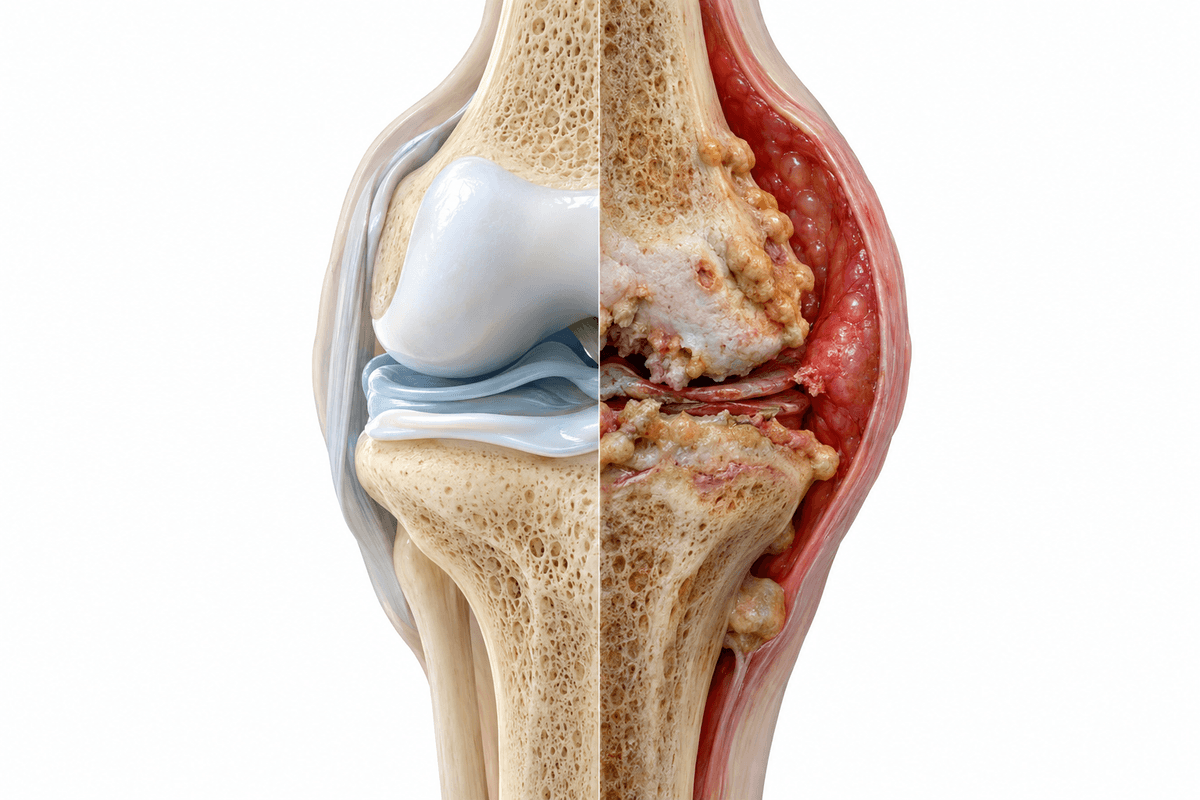
Arthritis is a condition that affects the joints, causing pain, stiffness, and swelling. It can make everyday activities like walking, climbing stairs, or holding objects difficult. The cartilage that cushions the joints wears down or becomes inflamed, leading to discomfort and reduced movement. Dr Samuel Lenald evaluates each patient's symptoms and creates an individualised treatment plan to help manage the condition.
The most common form, where joint cartilage gradually wears down over time, often affecting weight-bearing joints like knees, hips, and spine.
An autoimmune condition where the body's immune system attacks the joint lining, causing inflammation, pain, and potential joint damage.
Develops after a joint injury such as a fracture or ligament tear, where the cartilage breaks down months or years after the initial trauma.
Multiple factors can contribute to the development and progression of this condition.
Recognising the signs early gives you more treatment options.
Assessment begins with a clinical history and physical examination of the affected joints. Further investigations such as X-rays or blood tests may be ordered based on individual findings, though not every patient requires every test.
From conservative to surgical — we always start with the least invasive option first.
A structured, patient-first approach from first visit to full recovery.
Dr Samuel Lenald reviews your symptoms, examines the affected joints, and orders imaging or tests as needed to understand the type and severity of arthritis.
Based on the findings, a treatment plan is created that may include activity modification, medications, physiotherapy, or injections tailored to your needs.
Non-surgical options are prioritised to control pain and maintain function, with ongoing monitoring to adjust the approach as your condition changes.
If conservative measures are insufficient and quality of life is affected, surgical options are discussed, including joint replacement or other procedures suited to your condition.
What to expect at each phase of recovery.
Focuses on controlling symptoms with medications, activity changes, and physiotherapy. Timelines vary depending on the type and severity of arthritis, and individual guidance takes priority.
Treatment is reviewed and adjusted based on your response. Some patients manage well with conservative care, while others may need additional interventions over time.
For those who undergo surgery, rehabilitation involves physiotherapy to regain strength and mobility. The duration and intensity depend on the procedure performed and individual progress.
Good management aims to reduce pain and stiffness, helping you maintain daily activities. However, arthritis is often a long-term condition that may require ongoing care.
Treatment can help restore movement and strength in affected joints. Some joint changes may be permanent, and the degree of improvement varies between individuals.
Early intervention may slow the progression of joint damage. Advanced arthritis may still require surgical treatment despite conservative efforts.
Learning joint-friendly techniques and making activity modifications can support long-term joint health. Not all arthritis-related changes can be reversed, and realistic expectations are important.
Without treatment, arthritis symptoms often worsen over time, leading to increasing pain, stiffness, and difficulty with daily activities. Joint damage may progress, potentially causing deformity and significant loss of function. Early management can help slow progression and maintain quality of life.
Seek care if you experience persistent joint pain, stiffness that lasts more than a few weeks, or swelling that does not improve with rest. If joint symptoms interfere with your ability to perform daily tasks or if you notice deformity or instability in a joint, a medical evaluation is important. Early assessment allows for timely management.
Early treatment means more options and better outcomes. Book a consultation to understand your condition and explore the right path forward.