Performed by Dr. Samuel Lenald
PRP (platelet-rich plasma) and stem cell injections are regenerative procedures that aim to help the body repair damaged cartilage, tendons, ligaments or bone. PRP is made from your own blood, concentrated to deliver growth factors. Stem cell injections use cells that may develop into different tissue types. Dr Samuel Lenald performs these procedures for patients with joint pain or soft-tissue injuries who have not improved with other treatments.
We believe in honest, upfront disclosure so you can make an informed decision.
A step-by-step look at what happens during this procedure.
For PRP, a small amount of blood is drawn from your arm. For stem cell injections, cells may be collected from bone marrow, fat tissue or another source, depending on the protocol.
The blood is spun in a centrifuge to separate and concentrate the platelets and growth factors. Stem cells are similarly isolated and prepared in a sterile environment.
The skin over the target joint or tissue is cleaned and numbed with local anaesthetic. Ultrasound or X-ray guidance may be used to ensure accurate placement.
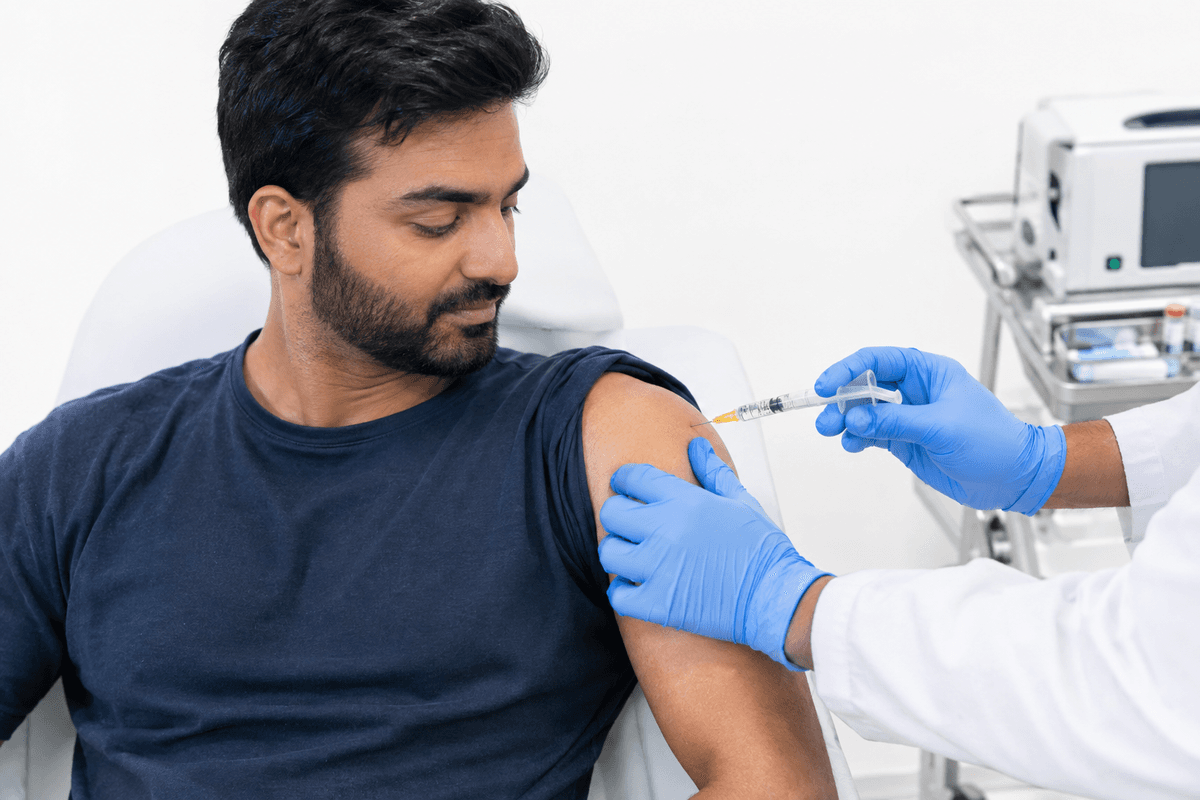
The concentrated PRP or stem cells are injected directly into the damaged cartilage, tendon, ligament or joint space.
You rest briefly after the injection. Once stable, you are discharged with instructions for activity modification and follow-up.
A structured, patient-first approach from first consultation to full recovery.
Dr Samuel Lenald examines your joint or injury, reviews X-rays or MRI scans, and discusses whether regenerative injection is appropriate for your condition.
You receive clear information about what PRP or stem cell therapy may and may not achieve, the evidence base, costs and alternative options.
The procedure is performed under strict sterile conditions. Image guidance is used when needed to ensure the injection reaches the intended tissue.
You are given a tailored plan for rest, physiotherapy and activity progression. Follow-up appointments monitor your response and guide further treatment if needed.
What to expect at each stage of your recovery journey.
Rest the injected area and apply ice if advised. Some increase in pain or swelling is common. Avoid strenuous activity and anti-inflammatory medications unless directed otherwise.
Gradually resume light activity and begin physiotherapy as instructed. The injected cells and growth factors are working to stimulate tissue repair, though you may not yet feel improvement.
Tissue continues to heal and strengthen. Many people notice gradual improvement in pain and function during this period, though response varies widely and some may see little or no benefit.
Some patients experience less joint or tendon pain over several months, which may reduce the need for pain medication or delay surgery.
The degree of benefit varies greatly. Some people see meaningful improvement, others notice modest change, and some see no benefit at all.
PRP and stem cell injections cannot restore severely worn cartilage or repair large tears. They are not a substitute for surgery when structural reconstruction is needed.
A single injection may not be enough. Some protocols involve a series of injections, and the effect, if any, may diminish over time.
The right choice depends on your diagnosis, risks and circumstances — discussed with you at your consultation.
Structured exercise, manual therapy and gait training can reduce pain and improve function in many joint and tendon conditions, without the risks or costs of injections.
These more established injections can provide short- to medium-term pain relief for arthritis and may be tried before or instead of regenerative injections, depending on your situation.
When damage is severe or symptoms persist despite conservative care, surgery may offer more predictable and durable improvement than injections alone.
Let's clear up some of the most common myths about prp & stem cell injections.
Get a personalised assessment from an experienced specialist. Understand your options, ask your questions, and decide with confidence.