Performed by Dr. Samuel Lenald at Dr Samuel lenald
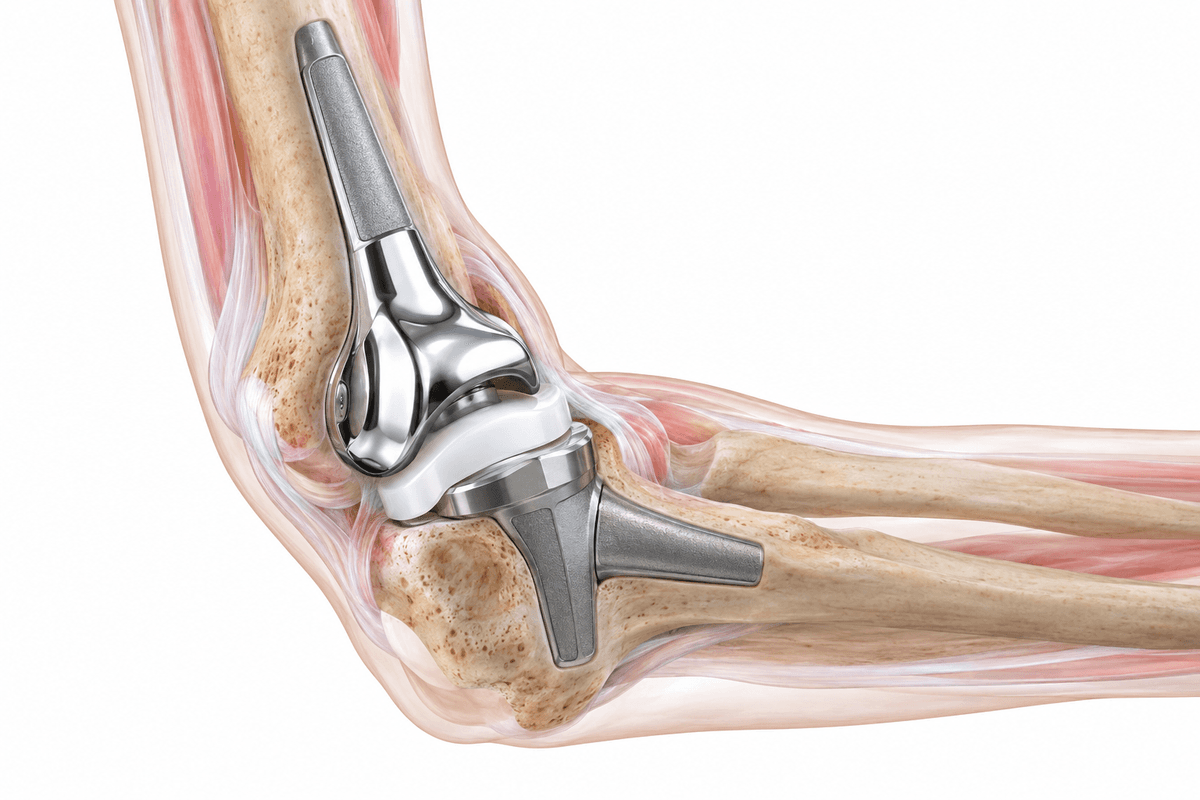
Elbow replacement in Kadapa is an advanced surgical procedure that replaces a damaged elbow joint with artificial components to restore function and eliminate pain. This procedure is ideal for patients with severe arthritis, traumatic injuries, or degenerative joint disease who have not responded to conservative treatments. Dr Samuel Lenald, an experienced orthopedic surgeon, specializes in elbow replacement surgeries, providing personalized care and optimal outcomes for patients seeking lasting relief from debilitating elbow conditions.
We believe in honest, upfront disclosure so you can make an informed decision.
A step-by-step look at what happens during this procedure.
General anesthesia is administered to ensure you remain comfortable and pain-free throughout the surgical procedure.
A carefully planned incision is made over the elbow joint to access the damaged bone and cartilage while preserving surrounding nerves and blood vessels.
The damaged portions of the humerus and ulna bones are precisely removed, and the bone surfaces are prepared to receive the artificial implant components.
High-quality metal and plastic prosthetic components are securely fitted into the prepared bone surfaces, creating a new functional joint with smooth articulation.
The incision is carefully closed with sutures, and the arm is placed in a supportive splint or sling to protect the new joint during initial healing.
A structured, patient-first approach from first consultation to full recovery.
Dr Samuel Lenald conducts thorough physical examinations, reviews detailed imaging studies, and evaluates your overall health to create a personalized surgical plan tailored to your specific elbow condition and lifestyle needs.
Using state-of-the-art surgical methods and precision instruments, Dr Samuel Lenald performs the elbow replacement with meticulous attention to anatomical detail, ensuring optimal implant positioning and minimal tissue trauma.
Following surgery, Dr Samuel Lenald and his team provide close monitoring in the hospital, managing pain effectively, preventing complications, and ensuring proper wound healing before discharge.
Dr Samuel Lenald designs a structured physical therapy protocol that progresses through gentle range-of-motion exercises to strengthening activities, optimizing your recovery and maximizing long-term joint function.
What to expect at each stage of your recovery journey.
During the first 2-3 days following surgery, your arm will be immobilized in a splint or sling. Pain management and wound care are priorities, with gentle finger and wrist movements encouraged to prevent stiffness and maintain circulation.
From weeks 2-6, gradual passive and then active-assisted range-of-motion exercises begin under physiotherapy guidance. The focus is on restoring elbow flexion and extension while protecting the healing implant and soft tissues.
Between months 3-6, strengthening exercises intensify, and you progressively return to daily activities. Most patients achieve significant pain relief and functional improvement, with continued exercises supporting long-term joint health and stability.
Most patients experience significant to complete elimination of chronic elbow pain, allowing them to perform daily tasks without discomfort and improving overall quality of life.
Elbow replacement restores functional range of motion, enabling patients to perform activities like lifting, reaching, and personal care tasks that were previously impossible due to joint damage.
With a functional, pain-free elbow, patients regain independence in daily living activities such as eating, dressing, grooming, and household tasks, reducing reliance on assistance from others.
Modern elbow implants are designed to last 15-20 years or longer with proper care and activity modifications, providing sustained relief and function for many patients throughout their lifetime.
Let's clear up some of the most common myths about elbow replacement.
Get a personalised assessment from an experienced specialist. Understand your options, ask your questions, and decide with confidence.