Performed by Dr. Samuel Lenald at Dr Samuel lenald
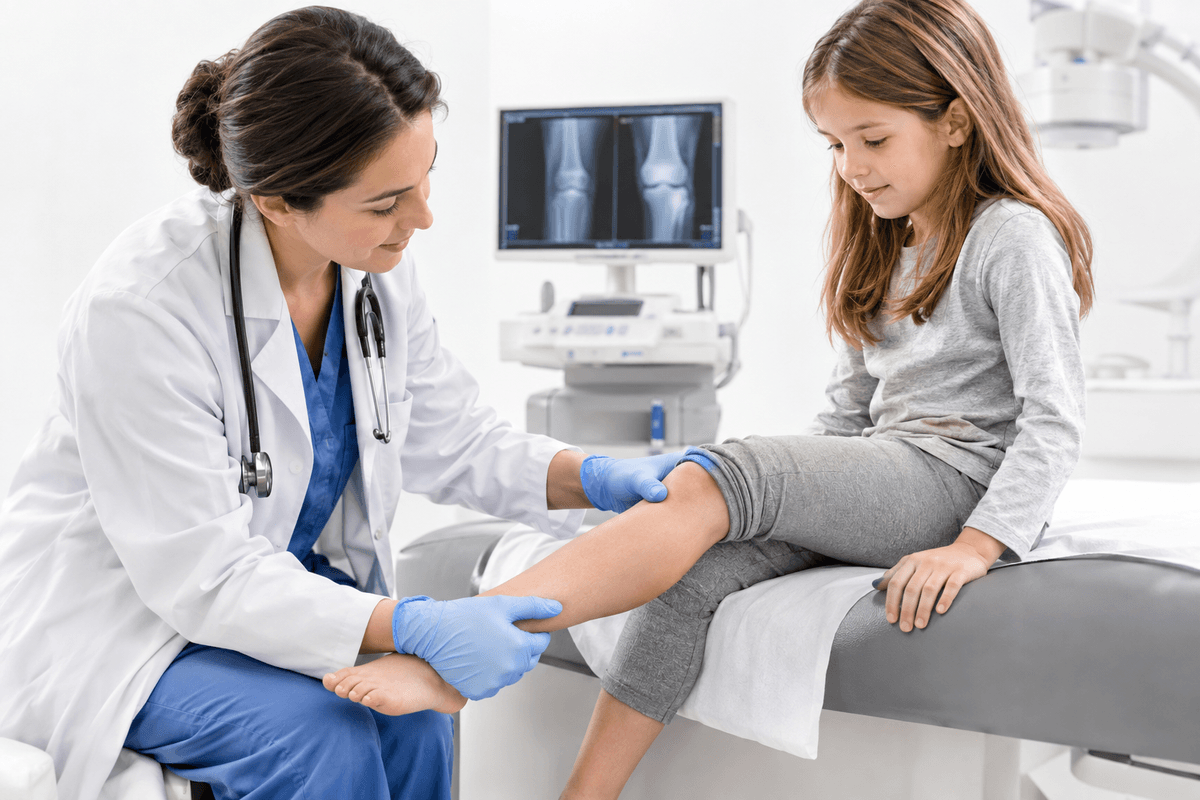
Pediatric Trauma treatment in Kadapa addresses fractures, dislocations, and musculoskeletal injuries in children requiring specialized orthopedic care. Children's bones heal differently than adults, demanding precise evaluation and age-appropriate treatment protocols. Dr Samuel Lenald provides comprehensive trauma care using child-friendly techniques and evidence-based approaches to ensure optimal healing and restore normal function in young patients.
We believe in honest, upfront disclosure so you can make an informed decision.
A step-by-step look at what happens during this procedure.
Immediate evaluation of the injury severity, neurovascular status, and associated complications to determine the urgency and type of intervention required.
Advanced X-rays, CT scans, or MRI studies are performed to precisely identify fracture patterns, displacement, and involvement of growth plates.
The displaced bone fragments are carefully realigned to anatomical position using closed manipulation or open surgical techniques depending on injury complexity.
Appropriate stabilization is achieved using casts, flexible intramedullary nails, plates, screws, or external fixators selected based on the child's age and fracture type.
Continuous assessment of healing progress, neurovascular function, and growth plate integrity through regular follow-ups and repeat imaging studies.
A structured, patient-first approach from first consultation to full recovery.
Dr Samuel Lenald uses age-appropriate communication and child-friendly techniques to reduce anxiety and ensure cooperation throughout the treatment process.
Employing minimally invasive methods when possible to reduce tissue trauma, minimize scarring, and accelerate recovery while protecting delicate growth plates.
Comprehensive guidance is provided to parents regarding post-operative care, cast management, activity restrictions, and signs of complications requiring immediate attention.
Dr Samuel Lenald collaborates with pediatricians, anesthesiologists, and physiotherapists to deliver comprehensive trauma care tailored to each child's specific needs.
What to expect at each stage of your recovery journey.
First 1-2 weeks focus on pain management, wound care, and preventing complications. The child maintains immobilization through casting or splinting with limited weight-bearing.
Weeks 3-6 involve gradual return of function with physiotherapy exercises, progressive weight-bearing, and monitoring of bone healing through clinical and radiological assessment.
Weeks 7-12 emphasize full range of motion restoration, strength rebuilding, and gradual return to normal activities including sports with proper protective measures.
Proper bone union with restoration of anatomical alignment and normal growth potential, ensuring no long-term deformities or functional limitations.
Return to age-appropriate activities including sports and play with complete range of motion and strength in the affected limb.
Protection of growth plates during treatment ensures continued normal bone development without limb length discrepancies or angular deformities.
Small surgical incisions and careful technique result in minimal visible scarring that fades significantly over time as the child grows.
Let's clear up some of the most common myths about pediatric trauma.
Get a personalised assessment from an experienced specialist. Understand your options, ask your questions, and decide with confidence.